Are Humaniac Safety Outer Pants Worth It? Full Guide
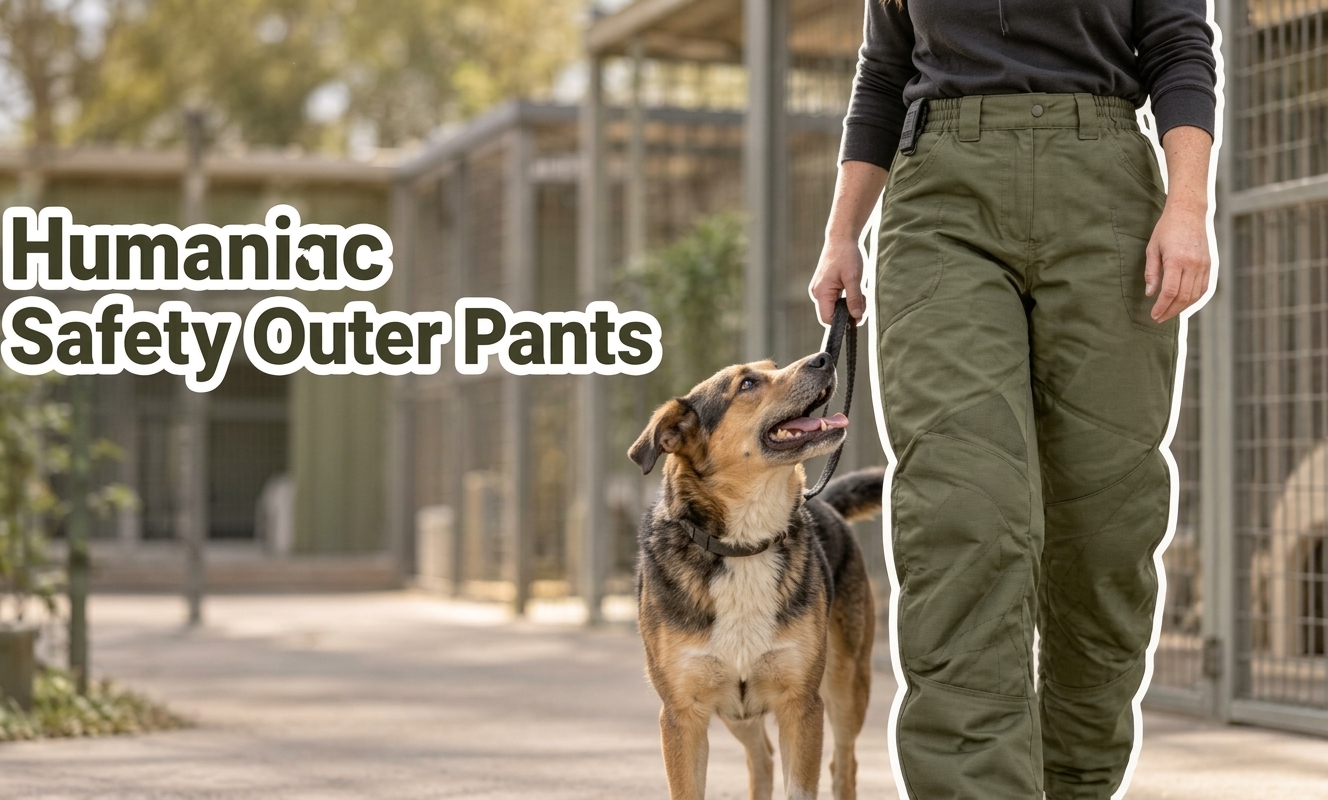
Humaniac safety outer pants An unpredictable animal can turn a routine handling task into a serious safety risk. Ordinary trousers offer little specialized protection against bites and scratches, leaving animal-control officers, shelter staff, and trained handlers exposed during close contact. Humaniac safety outer pants offer an additional protective layer through a Cordura outer shell and Kevlar lining, helping reduce potential injury while keeping a practical workwear appearance.
Made by Humaniac, a brand associated with Animal Care Equipment & Services (ACES), these over-pants are designed to go over everyday trousers. They are intended for situations where workers need extra lower-body protection without wearing a full bite suit.
What Are the Main Features of Humaniac Safety Outer Pants?
The product combines protective materials with practical details that support everyday animal-handling work. According to the official ACES product listing, the trousers come in olive green and include an adjustable waist, two pockets, and ankle zippers.
The following table summarizes the published product details.
| Feature | Product information | Why it matters |
|---|---|---|
| Product name | Safety Outer Pants by Humaniac | Identifies the specific protective garment |
| Manufacturer/brand | Humaniac, associated with ACES | Helps buyers locate the official product |
| Outer material | Cordura | Designed for durability and abrasion resistance |
| Protective lining | Kevlar | Adds a protective textile layer |
| Color | Olive green | Practical appearance for field use |
| Garment type | Over-pants | Designed to be worn over everyday trousers |
| Waist | Adjustable | Helps accommodate clothing underneath |
| Pockets | Two | Offers space for small work essentials |
| Ankle closures | Zippers | Makes putting on and removing the pants easier |
| Listed weight | 6 lb | Important when considering mobility and comfort |
| Example fit | A 6-foot-3-inch, 210-pound model wearing XL | A reference point, not a guaranteed size recommendation |
| Listed U.S. price | $107.85 at the time checked | Confirm the current price before ordering |
| Intended purpose | Additional protection against animal attacks | Not a guarantee against every bite or injury |
Important: The listed dimensions of 10 × 10 × 4 inches appear in the product’s additional-information section. They should not be treated as waist, hip, or leg measurements.
For the most reliable details, consult the official Humaniac product listing.
How Does the Cordura Outer Fabric Help?
Cordura is a family of durable textile fabrics used in products that need resistance to abrasion and tearing. Its Classic fabric range uses high-tenacity nylon 6,6 yarns and is available in different fabric weights and constructions.
For animal handlers, a durable outer layer can be useful when clothing encounters rough kennel surfaces, equipment, claws, and repeated movement. It may also help the garment withstand everyday wear better than lightweight trousers.
However, not every Cordura fabric has identical performance. The specific fabric weight, construction, finishing, and garment design all influence how a finished product performs.
The official product listing does not specify the exact Cordura grade or fabric weight used in these trousers. Buyers should therefore avoid assuming that the pants meet a particular abrasion or puncture rating without documentation.
How Does the Kevlar Lining Provide Extra Protection?
Kevlar is a synthetic para-aramid fiber developed by DuPont. Depending on how manufacturers incorporate it into a finished product, Kevlar fiber can contribute strength, abrasion resistance, and resistance to cuts or punctures.
In Humaniac’s design, the Kevlar lining works alongside the Cordura outer layer to provide an additional barrier between an animal’s teeth or claws and the wearer’s legs.
The finished garment matters just as much as the material. Protection depends on factors such as fabric construction, coverage, seams, fit, and the forces involved in an incident.
That is why the presence of Kevlar alone does not establish a specific level of dog-bite protection. Buyers who need equipment for high-risk professional duties should request information about the garment’s testing and intended protection level.
Are Humaniac Safety Outer Pants Bite-Proof?
Short answer: No, they should not be treated as completely bite-proof.
ACES describes the pants as being designed to prevent or minimize damage from dog or animal attacks. The product listing does not provide a standardized maximum bite-force rating or a published test result that proves the trousers can stop every bite.
This distinction is essential when choosing protective clothing. A garment may reduce the likelihood or severity of certain injuries without eliminating the risk of punctures, bruising, crushing injuries, or other trauma.
The most accurate approach is to view Humaniac safety outer pants as an additional protective layer rather than a substitute for safe handling procedures.
Before using them in a high-risk workplace, ask the supplier about available test data, coverage limitations, inspection requirements, and the types of hazards the garment is designed to address.
What Are the Main Benefits for Animal Handlers?
Protective clothing should help workers perform their duties while managing foreseeable risks. These trousers offer several practical features that may suit people who regularly work around unpredictable animals.
1. Additional Lower-Body Coverage
The pants are intended to add protection over ordinary trousers, especially around the legs. This may be useful when a handler must work close to an animal during a controlled transfer or restraint procedure.
2. A Practical Workwear Appearance
ACES states that the trousers do not look or feel like a traditional bite suit. Their more conventional appearance may suit routine duties where a full training suit would be inconvenient.
3. Easy On-and-Off Design
The adjustable waist and ankle zippers help make the garment easier to put on over existing clothing. This is useful for workers who need to change protective equipment between tasks.
4. Useful Storage
Two pockets provide space for small essentials. Workers should still keep tools and other objects secured so they do not interfere with safe movement or handling procedures.
5. A Layered Safety Approach
The pants can form part of a broader personal protective equipment (PPE) setup. Their value depends on how well they fit the task and how effectively the workplace combines them with training, handling equipment, and other protective measures.
Who Should Consider Buying Humaniac Safety Outer Pants?
These trousers are most relevant to people whose duties involve a realistic risk of animal bites or scratches.
Potential users include:
- Animal-control officers: Personnel who respond to reports involving aggressive or distressed animals.
- Animal shelter teams: Workers who transfer, restrain, or care for animals with uncertain behavior.
- Veterinary staff: Trained professionals who may assist with handling animals that resist examination.
- Rescue workers: Teams that help frightened, injured, or displaced animals.
- Wildlife and pest-control professionals: Workers who operate in situations involving animal contact.
- Professional dog handlers: Trained handlers who need additional protection during specific tasks.
These trousers may be unnecessary for routine pet ownership where no meaningful bite hazard exists. The right choice depends on the animal, working environment, task, and risk assessment.
How Do Fit, Comfort, and Mobility Affect Performance?
Protective clothing must fit properly to be useful. Pants that restrict movement can make it harder to walk, bend, climb stairs, or respond safely during a changing situation.
Because the product is designed to go over ordinary trousers, buyers should consider both the outer garment and the clothing worn underneath.
Check these practical points before using the pants at work:
- Can you walk, squat, kneel, and step over obstacles comfortably?
- Does the waist remain secure during movement?
- Do the ankle zippers fit comfortably around your footwear?
- Does the material snag on boots or equipment?
- Can you put the garment on and remove it without assistance?
- Does the combined clothing create excessive heat during long shifts?
ACES lists the garment weight as 6 pounds. That makes weight an important factor for anyone who wears protective clothing for extended periods. Try the pants with your usual work clothes and footwear, and confirm the fit before relying on them in the field.
Humaniac Safety Outer Pants vs. Standard Work Pants
Ordinary work trousers and specialized protective over-pants serve different purposes. Standard trousers may be comfortable and affordable, but they are not necessarily engineered for animal-handling hazards.
| Comparison point | Humaniac safety outer pants | Standard work pants |
|---|---|---|
| Primary purpose | Additional protection during animal handling | General workwear |
| Construction | Cordura shell with Kevlar lining, according to ACES | Varies by manufacturer |
| Intended use | Worn over everyday trousers | Usually worn as the main pair of pants |
| Adjustability | Adjustable waist | Depends on design |
| Pockets | Two listed pockets | Varies by model |
| Ankle access | Zippers for easier removal | Depends on design |
| Specialized animal protection | Designed to help reduce injury from animal attacks | Not guaranteed unless specifically engineered and tested |
| Weight and bulk | Listed at 6 lb | Varies widely |
| Bite-resistance rating | No standardized rating shown on the current listing | Depends on the specific product |
| Best selection method | Match the garment to the animal-handling risk | Match the garment to general work needs |
The key difference is intended use. Standard work pants may be sufficient for ordinary tasks, but workers facing animal-related hazards should select PPE based on a documented risk assessment rather than appearance or fabric name alone.
How Do You Choose the Right Size?
A correct fit helps the trousers stay in position and allows the wearer to move naturally. Because these are over-pants, selecting a size based only on your usual trouser size may not provide the best result.
Use this process:
- Measure while wearing your usual work clothing. Account for the trousers you plan to wear underneath.
- Check the current size options. Use the supplier’s measurements rather than relying only on generic clothing sizes.
- Ask about the intended fit. Confirm whether the listed size accommodates your preferred base layer and footwear.
- Test your range of movement. Walk, squat, kneel, and climb a step while wearing the complete setup.
- Confirm the return policy. Understand the seller’s conditions before ordering.
ACES shows a model who is 6 feet 3 inches tall and weighs 210 pounds wearing XL. This example can help provide context, but body shape and clothing preferences vary. It does not replace actual measurements or manufacturer sizing guidance.
What Other Safety Equipment Should You Use?
Protective trousers are only one part of an animal-handling safety system. The rest of the equipment should match the hazards identified for the job.
Depending on the task, a workplace risk assessment may call for:
- Animal-handling gloves: To protect the hands during approved handling tasks.
- Arm protector sleeves: To add coverage to exposed forearms.
- Protective footwear: Sturdy footwear with non-slip soles can help improve stability and reduce some foot-related risks.
- Restraint equipment: Appropriate tools and barriers can reduce the need for direct contact.
- Eye protection: Useful where the task creates a risk of splashes or other eye injuries.
- Suitable outerwear: Additional protective garments may be necessary for specific hazards.
The U.S. National Institute for Occupational Safety and Health (NIOSH) advises workers handling animals to wear sturdy clothing and protective footwear. It also warns that ordinary sneakers do not protect against bite, puncture, or crushing injuries.
Always combine PPE with appropriate training, animal-behavior awareness, safe working procedures, and the correct handling tools. Protective clothing should not encourage unnecessary close contact with an aggressive animal.
How Should You Care for and Inspect the Pants?
The long-term usefulness of protective equipment depends on correct care and regular inspection. Damage to the fabric, lining, seams, or closures may affect how the garment performs.
ACES’s current product listing does not provide detailed laundering instructions or a defined service life. Contact the manufacturer for approved cleaning methods before washing the trousers or using chemical cleaning products.
Follow these general inspection practices:
- Check the outer fabric for tears, holes, and heavy abrasion.
- Inspect seams and stitching for separation.
- Examine ankle zippers and waist adjustments for damage.
- Look for visible punctures or other signs of an animal incident.
- Keep the garment clean according to the manufacturer’s instructions.
- Remove damaged equipment from service until a qualified person determines whether it remains suitable.
- Ask the supplier whether the garment should be replaced after a bite or significant impact.
Do not assume that a garment remains protective simply because damage is difficult to see. If the pants experience an animal bite, inspect them carefully and consult the manufacturer before using them again.
How Much Do Humaniac Safety Outer Pants Cost?
At the time of checking, the official ACES U.S. product page listed the trousers at $107.85 and advertised free shipping to the lower 48 U.S. states. Prices, shipping rules, and stock can change, so confirm the details on the official product page before placing an order.
When comparing prices, look beyond the initial purchase cost. Consider the correct size, shipping to your location, return conditions, care requirements, and whether the product meets your workplace’s safety needs.
For buyers outside the United States, ask the seller about international shipping, import charges, delivery estimates, and local return options. Do not assume that U.S. shipping offers apply internationally.
What Should You Ask Before Purchasing?
A clear product description is helpful, but professional buyers may need more technical details before approving protective clothing for workplace use.
Contact ACES or an authorized seller and ask:
- What size measurements are available?
- Which areas of the garment contain the Kevlar lining?
- Are any sections less protected than others?
- Is independent bite-resistance or puncture testing available?
- Are there published test standards or performance ratings?
- What cleaning products and washing methods are permitted?
- How should the garment be inspected after an incident?
- When should the pants be retired or replaced?
- Are bulk orders or workplace purchasing options available?
These questions are especially important for animal-control departments, shelters, veterinary facilities, and other organizations that need to document PPE selection and training.
Advantages and Limitations at a Glance
| Advantages | Limitations |
|---|---|
| Cordura outer fabric and Kevlar lining, according to the manufacturer | The current listing does not show a standardized bite-resistance rating |
| Designed to be worn over everyday trousers | Requires correct sizing over the clothing worn underneath |
| Adjustable waist | May not fit every body shape equally well |
| Ankle zippers simplify putting the garment on and taking it off | Closures require regular inspection |
| Two pockets for small essentials | Storage is limited |
| More conventional appearance than a full bite suit | Not a substitute for a specialized bite-training suit where one is required |
| Designed for additional lower-body protection | Cannot guarantee protection against all bites, punctures, or crushing injuries |
| Listed weight is available for planning | Weight may affect comfort during long shifts |
The most important purchasing consideration is whether the garment’s documented performance matches the actual hazard. If your organization needs certified or independently tested protection, obtain the relevant documentation before making a decision.
Frequently Asked Questions
1. What are Humaniac safety outer pants used for?
They are protective over-pants designed to add a layer of lower-body protection during animal-handling work. They may suit trained professionals who face a realistic risk of bites or scratches.
2. Are Humaniac safety outer pants completely bite-proof?
No. ACES says the trousers are intended to prevent or minimize injury from animal attacks, but the current product listing does not establish that they can stop every bite. Always follow workplace safety procedures and the manufacturer’s guidance.
3. What materials are used in Humaniac safety outer pants?
ACES describes a Cordura outer shell with a Kevlar lining. The actual protection depends on the finished garment’s construction, coverage, fit, and performance testing—not simply the names of the materials.
4. Can you wear the pants over regular trousers?
Yes. They are designed to be worn over everyday pants. Choose a size that accommodates your normal work clothing and allows comfortable movement.
5. How much do Humaniac safety outer pants cost?
The official U.S. listing showed a price of $107.85 when checked. Prices and availability can change, so review the seller’s current listing before ordering.
6. Are these pants enough protection for animal-control work?
Not necessarily. The appropriate level of protection depends on the animal, task, and workplace risk assessment. Gloves, protective footwear, arm protection, restraint tools, training, and other controls may also be necessary.
Final Verdict: Are Humaniac Safety Outer Pants Worth Considering?
Humaniac safety outer pants offer a practical design for trained animal handlers who need additional lower-body protection without wearing a full bite suit. Their Cordura outer fabric, Kevlar lining, adjustable waist, two pockets, and ankle zippers are useful features for professional fieldwork.
The main caution is that the public product listing does not establish a standardized level of bite resistance. Buyers should confirm sizing, care requirements, coverage, and any available test documentation before relying on the garment in a high-risk environment.